6. The Perfect Water Temperature for Each Tea Type
Water temperature plays a crucial role in the tea-brewing process, as it affects the extraction of flavors and nutrients. For delicate white and green teas, use water heated to 70-80°C (158-176°F) to preserve their subtle flavors. Oolong teas are best brewed at 80-90°C (176-194°F) to bring out their complex aromas.
For black and herbal teas, water at a rolling boil, about 100°C (212°F), is ideal. Using the right temperature ensures that each tea type releases its optimum flavor profile, enhancing your overall tea-drinking experience.
7. The Importance of Steeping Time: Getting It Just Right
Steeping time is crucial to achieving the perfect cup of tea. Over-steeping can result in a bitter, astringent brew, while under-steeping can leave your tea weak and flavorless. For optimal results, follow these general guidelines: green tea should steep for 2-3 minutes, black tea for 3-5 minutes, and herbal teas for 5-7 minutes.
Adjust these times based on personal preference and the specific tea variety. Using a timer can help ensure consistency in your brewing process, allowing you to enjoy each cup to its fullest.
8. Choosing the Right Tea Vessel: Cups and Pots Matter
The vessel you use to brew and serve your tea can significantly impact the taste and experience. Porcelain and glass teapots are excellent for brewing most types of tea as they do not retain flavors. For stronger, more pungent teas, like chai or masala, consider using a clay or cast iron pot, which can enhance the flavor profile over time.
When it comes to serving, choose cups that fit comfortably in your hand and do not alter the aroma of the tea. Thin-walled cups are ideal for delicate teas, while thicker mugs can help maintain the warmth of heartier brews like black tea.
9. Enhancing Flavor with the Right Additives
While some purists prefer their tea unadulterated, adding the right additives can enhance the flavor and enjoyment of your tea. Common additions include milk, honey, lemon, or spices like cinnamon and ginger. When adding milk, do so after the tea has been brewed, and ensure it is at room temperature to prevent curdling.
Lemon is a popular addition to black tea, adding a refreshing citrus note. Spices can be steeped along with the tea or added later to taste. Experiment with different combinations to find what best complements your chosen tea variety.
10. The Cultural Etiquette of Drinking Tea
Tea-drinking customs vary widely across cultures, each with its own set of etiquettes and traditions. In Japan, the tea ceremony is a highly ritualized practice focused on the preparation and presentation of matcha. In contrast, British tea culture is centered around afternoon tea, featuring a selection of teas, sandwiches, and pastries.
Understanding these cultural nuances can enrich your tea experience and provide a deeper appreciation for the history and significance of this ancient beverage. Whether you’re participating in a traditional ceremony or hosting a casual tea party, respecting these customs can enhance the social and personal enjoyment of tea.
11. The Health Benefits of Drinking Tea the Right Way
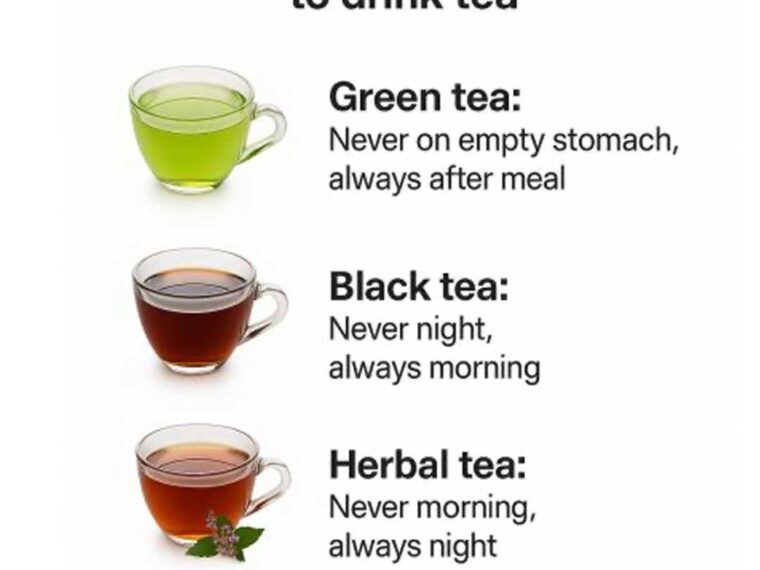
Drinking tea the right way not only enhances flavor but also maximizes its health benefits. Tea is rich in antioxidants, which help combat free radicals in the body, reducing the risk of chronic diseases. Green tea, in particular, is known for its high levels of catechins, which support heart health and boost metabolism.
By paying attention to the type of tea, water temperature, and steeping time, you can ensure that you are getting the most out of your cup. Drinking tea mindfully contributes to overall well-being, offering both mental relaxation and physical health benefits.