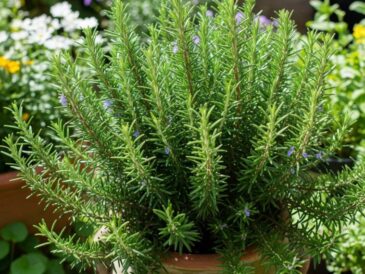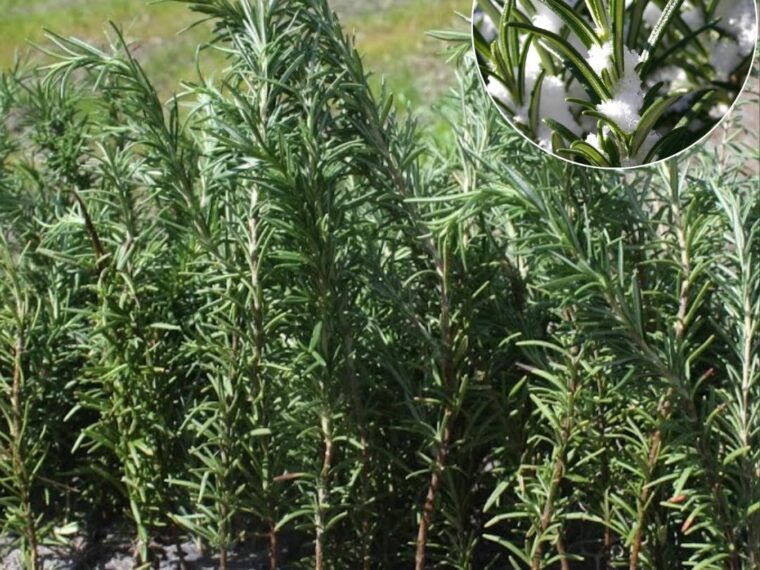
Rosemary is a hardy, evergreen herb that brings fragrance, flavor, and structure to the garden year‑round. But December can be challenging—short days, cold temperatures, excess moisture, and low light can stress even established plants. Whether your rosemary is growing outdoors, in a raised bed, or in a pot indoors, these six essential steps will help it survive winter and emerge strong in spring.
1. Understand Your Rosemary’s Winter Limits
Rosemary (Salvia rosmarinus) is native to the Mediterranean, which means it prefers:
- Mild winters
- Dry soil
- Plenty of sun
Cold tolerance:
- Hardy to about -5°C (23°F) for some varieties
- Prolonged frost, freezing winds, and wet soil are the biggest threats
📌 Key winter danger is not cold alone—it’s cold + moisture.
2. Protect Outdoor Rosemary from Cold and Wind
If your rosemary is planted in the ground:
Mulch smartly
- Add 5–8 cm (2–3 inches) of mulch (straw, pine needles, bark)
- Keep mulch slightly away from the stem to prevent rot
Shield from wind
- Cold winter winds dry out leaves
- Use:
- Garden fleece
- Burlap wraps
- A temporary wind barrier
Avoid plastic covers ❌
- Plastic traps moisture and encourages fungal disease
🌬️ Wind protection is often more important than frost protection.
3. Adjust Watering: Less Is More
In December, rosemary enters a semi‑dormant phase.
Outdoor plants
- Water only if the soil is completely dry and there has been no rain
- Never water frozen soil
Potted rosemary
- Check soil moisture every 10–14 days
- Water lightly—just enough to prevent roots from drying out
🚫 Overwatering is the #1 cause of winter rosemary death.
4. Maximize Light (Especially Indoors)
If you’ve brought rosemary indoors for winter:
Sunlight requirements
- At least 6–8 hours of bright light daily
- Place near a south‑ or west‑facing window
Supplement if needed
- Use a grow light for 10–12 hours/day if sunlight is weak
Rotate the pot weekly
- Prevents uneven growth and leaning
☀️ Rosemary that lacks light becomes leggy, pale, and weak.
5. Prune Carefully—Or Not at All
TO CONTINUE READING THE ARTICLE PLEASE SEE PAGE 2