If you’ve ever wondered “When should I start my vegetable garden?” — don’t worry, you’re not alone! Every gardener, from beginners to seasoned pros, has asked this question. The truth is: timing is EVERYTHING. Plant at the right moment, and your garden will explode with growth. Plant too early (or too late), and you’ll be fighting nature the whole season.
Here’s a fun, simple guide to help you know exactly when to start planting — and set your garden up for its most successful season yet!
🌞 1. Know Your Climate (This Is Step One!)
Before planting anything, you need to understand the climate in your region.
Different places warm up at different speeds, so knowing your local frost dates helps you avoid planting when cold weather can still damage young plants.
✔️ Last Frost Date: the final cold night of winter.
✔️ First Frost Date: the first cold night of fall.
👉 Most vegetables are planted after the last frost so they don’t freeze.
🌱 2. Cool-Season vs. Warm-Season Vegetables
Not all veggies like the same temperatures — some love the cold, others love the heat.
🥕 Cool-Season Crops (Plant Early!)
These veggies thrive in chilly spring temperatures and can even survive light frost.
Examples:
- Lettuce
- Spinach
- Carrots
- Peas
- Broccoli
- Cabbage
👉 Best Time to Plant: 2–4 weeks before your last frost date.
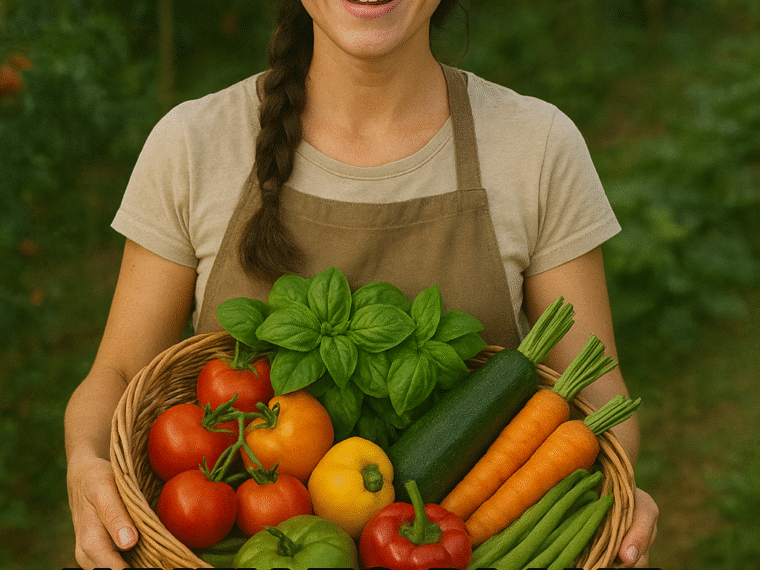
🍅 Warm-Season Crops (Wait for the Heat!)
These plants hate the cold and will stop growing if temperatures drop too low.
Examples:
- Tomatoes
- Peppers
- Cucumbers
- Zucchini
- Beans
- Melons
👉 Best Time to Plant: After the last frost, when nights stay above 10°C (50°F).
🌿 3. Starting Seeds Indoors (Secret to Getting Ahead!)
TO CONTINUE READING THE ARTICLE PLEASE SEE PAGE 2